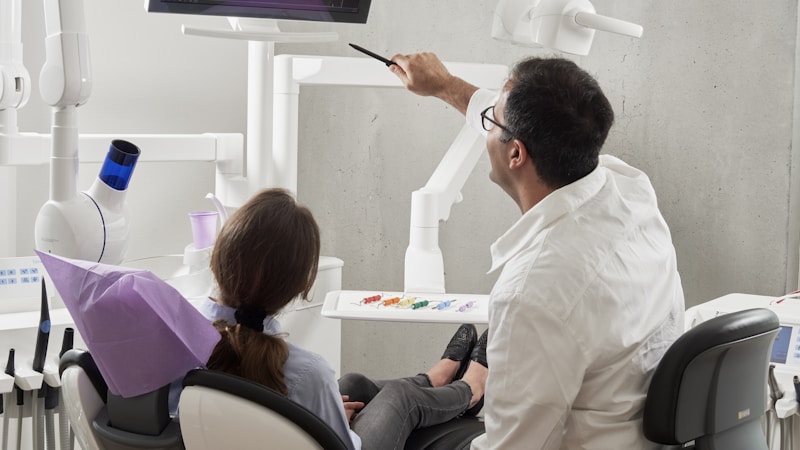
Elective procedures such as breast augmentation, liposuction, and rhinoplasty are rarely covered by traditional health insurance. In 2026, the demand for cosmetic surgery loans has surged as patients seek flexible ways to finance their aesthetic transformations. To secure the best elective surgery deals, you must compare interest rates, evaluate lender reviews, and understand the application process for unsecured personal loans.
This 2,000-word health finance advice guide explores how to apply for plastic surgery financing, the impact of your credit score on APR tiers, and the critical differences between medical credit lines and fixed-rate loans. By utilizing a medical loan calculator, you can ensure your monthly installments align with your personal finance goals.
Compare Best Cosmetic Surgery Loans: APR Rates, Terms, and Reviews
The cosmetic financing market in 2026 is highly diversified. Leading lenders like LightStream, SoFi, and Discover offer specialized medical loans for amounts ranging from $5,000 to $100,000. When you compare surgery loans, the Annual Percentage Rate (APR) is the most important metric, as it represents the true cost of borrowing including all origination fees.
According to 2026 financial reviews, borrowers with excellent credit (720-850) can unlock rates as low as 6.49%. For those in the fair credit category, interest rates may climb toward 24% or higher. Understanding these credit tiers is essential before you apply for elective surgery financing.
- Unsecured Personal Loans – Best for fixed monthly payments and longer repayment terms up to 84 months.
- Medical Credit Cards – Ideal for short-term financing with 0% interest promotional windows (6-24 months).
- Secured Medical Loans – Uses collateral (like a vehicle) to lower interest rates for subprime borrowers.
- In-House Clinic Financing – Direct payment plans offered by plastic surgeons, often with more flexible approval odds.
Key Factors in Elective Surgery Financing: APR, Fees, and Loan Limits
To effectively compare elective surgery loans, you must perform a total cost analysis. Many medical lenders advertise "no-fee" loans, meaning they waive origination fees and prepayment penalties. This allows you to save money if you decide to pay off your surgery debt early.
- Loan Amount Limits – Ensure the lender can cover the full surgeon's fee plus hospital costs and aftercare.
- Repayment Flexibility – Look for repayment terms that range from 24 to 84 months to fit your cash flow.
- Funding Speed – Many 2026 online lenders provide next-day funding once the loan agreement is signed.
- Autopay Discounts – Many providers offer a 0.25% interest rate reduction for setting up automatic monthly payments.
How to Apply for Cosmetic Surgery Loans: A Step-by-Step Guide
The application process for plastic surgery loans in 2026 is almost entirely digital. However, how to apply correctly determines whether you get the best interest rates or face a denied application.
- Obtain a Written Quote: Get a detailed surgical estimate from your board-certified plastic surgeon.
- Check Your Credit Score: Use a soft credit pull tool to see your FICO score without affecting your credit history.
- Compare Prequalification Offers: Apply at multiple lenders to see estimated APRs and monthly rates.
- Verify Income and Employment: Prepare pay stubs or bank statements to prove your repayment capability.
- Sign the Loan Agreement: Confirm the interest terms and funding date before scheduling your elective procedure.
Expert health finance advice recommends securing your financing at least 30 days before your surgery date to avoid last-minute financial stress.
Best Surgery Finance Reviews: Avoiding Predatory Lending
Reading patient and borrower reviews on platforms like Trustpilot or Better Business Bureau is a critical step. In 2026, top-rated surgery lenders are praised for transparent terms and responsive customer service. Avoid any medical lender that charges retroactive interest or hides application fees in the fine print.
Strategies to Lower APR for Cosmetic and Elective Procedures
Securing a low-interest surgery loan requires proactive financial planning. In 2026, even borrowers with fair credit can improve their loan eligibility by following these health finance advice strategies.
- Add a Co-signer: A partner with excellent credit can help you qualify for prime interest rates.
- Reduce Your Debt-to-Income Ratio: Pay off small credit card balances before you apply for the surgery loan.
- Opt for a Shorter Term: Choosing a 36-month repayment term instead of 72 months usually results in a lower APR.
- Consider a Secured Loan: If you have bad credit, using a savings account as collateral can drastically reduce your borrowing costs.
By implementing these personal finance tactics, you can move toward your aesthetic goals without compromising your long-term financial stability.
Frequently Asked Questions
Look for medical financing companies like Upstart that use AI-driven underwriting to consider your education and job history instead of just your credit score.
You can apply for financing for any elective procedure, including LASIK eye surgery, dental veneers, hair transplants, and medical weight loss programs.
A 0% APR medical card is the best option if you can pay the full balance before the promotional period ends to avoid deferred interest charges.
A formal application results in a hard inquiry, which may temporarily lower your credit score. However, consistent on-time payments will help build your credit history over time.